

The return of the Barn Owl to the Montreal Estate is a significant conservation success story.
In this interview, Lynne Flowers of Kent Wildlife Trust explains how installing and managing nest boxes has helped bring them back.
The arrival of nesting barn owls at Montreal Estate is an exciting milestone for the estate’s ongoing commitment to nature recovery and biodiversity.
We spoke to Lynne Flowers of Kent Wildlife Trust about the wider conservation work helping barn owls return to the landscape and why the estate provides such an important home for these iconic birds.
Barn owls were once a familiar sight across the countryside, but their numbers declined as old barns and traditional nesting sites disappeared. “What we discovered was that many of the old barns and nesting places had either been improved, converted, or removed, so the owls no longer had suitable places to nest,” explains Lynne.
In response, Kent Wildlife Trust began installing nest boxes across the area, creating a network of safe nesting sites for the birds.
“The first box we set up was at Bough Beech in 2011. We now have around 20 to 30 boxes.”
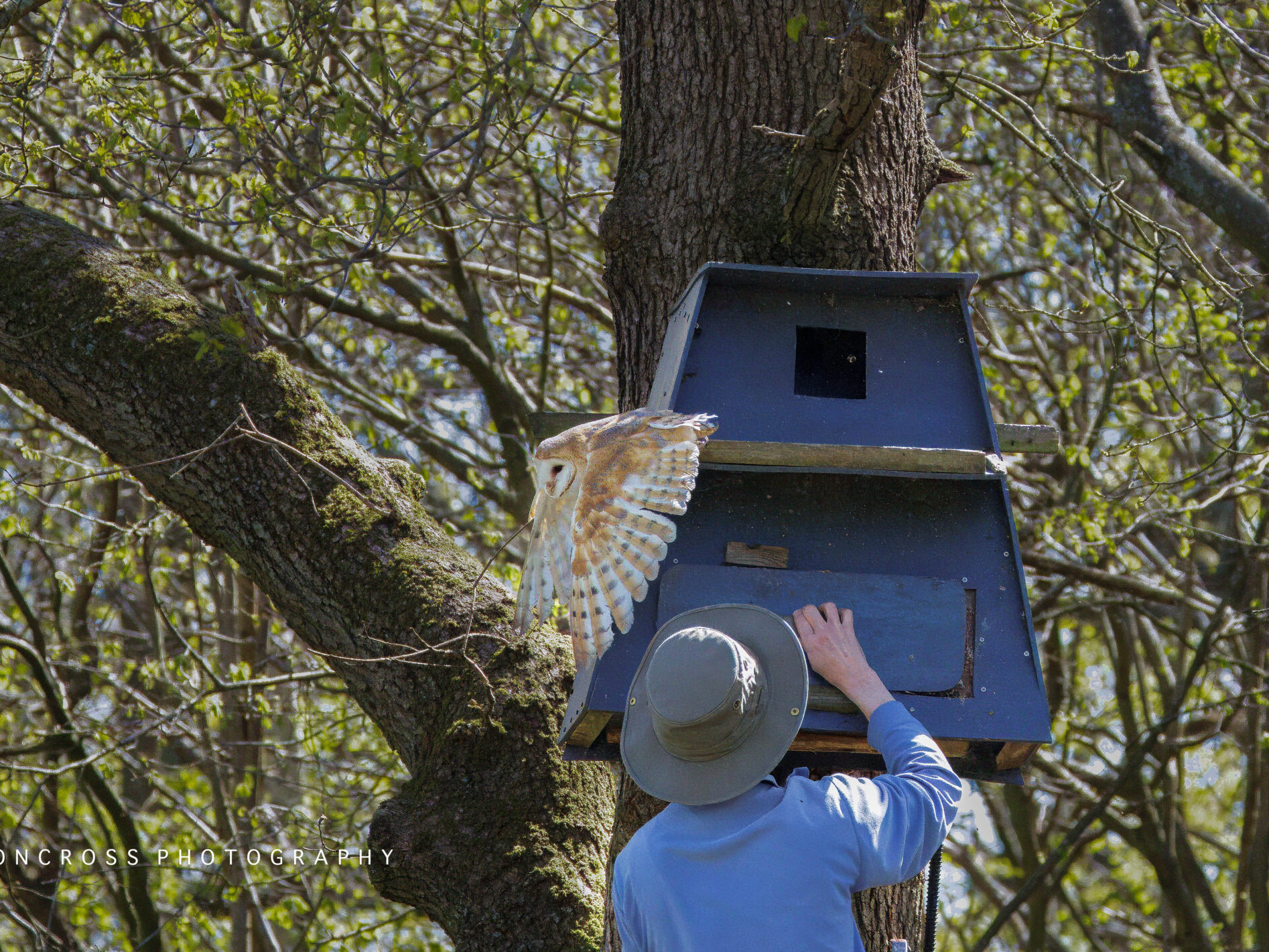
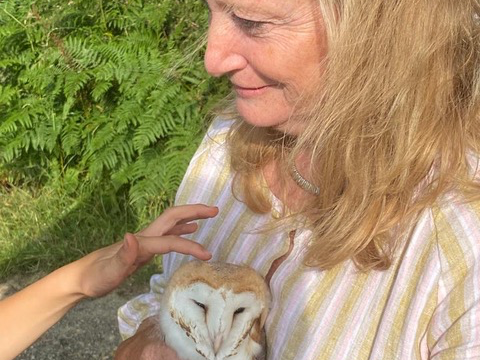
Here at the Montreal Estate we were really keen to have boxes on the estate, and help as part of this wider conservation effort. At the moment there are only two boxes on the estate, but we hope to add more in future. The recent nesting success on the estate has been particularly encouraging, with a barn owl pair laying six eggs this season.
“Six eggs is quite a lot,” says Lynne. “Last year was a very bad year, probably because of the wet weather, but this year the owls seem to be doing much better.”
Providing nest sites is only part of the story. Barn owls also need the right habitat to hunt. “They aren’t woodland birds – they need open countryside with rough grassland. They mainly feed on voles and other small mammals that live in rough grass habitats.”
Once suitable habitat and nesting sites are available, the birds often remain loyal to the area, says Lynne: “The site itself is what matters most to them. They can be quite attached to a particular area.”
The eggs hatched successfully, and in the coming weeks the young owls will be ringed by Bob and Roz and carefully monitored.
For Lynne, the growing population is a reminder of what can be achieved through long-term conservation work and collaboration between landowners, volunteers and wildlife organisations.
As the young owls take their first steps into the world, their presence is a powerful sign that nature can thrive when given the right conditions. Montreal Estate is proud to be playing its part in helping these remarkable birds return to the landscape.